
Key takeaways
- The drive home can become a fast-food cue because the same time, road and tired end-of-day feeling repeat together.
- Make the decision before you leave work: choose the route, decide what dinner is, and keep one easy backup meal ready.
- If a specific restaurant keeps pulling you in, change the route or use a location warning before you reach it.
- The goal is not to win a willpower battle at 6 PM. It is to make the old stop less automatic and home the easier default.
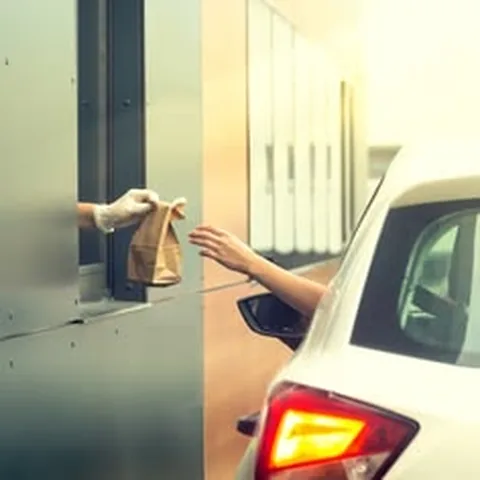
If you keep getting fast food on the way home from work, the hardest part may not be the food itself. It may be the commute.
You finish work, get in the car, take the same roads, pass the same signs and reach the same drive-thru at roughly the same time. Add hunger, mental fatigue and the thought of making dinner, and turning into the parking lot can start to feel like the obvious next step.
That is useful information, because a predictable habit is easier to redesign than a random one.
Start here: stop treating the drive home like an emergency decision. Build the plan while you still have options — before you leave work.
1. Find the exact point where the stop becomes likely
Think about your last five fast-food stops after work. What happened in the 20 minutes before them?
- Did you leave work later than usual?
- Were you already hungry before getting in the car?
- Did you take one route because it passes your usual restaurant?
- Were you thinking, “There is nothing easy at home”?
- Did a sign, smell or familiar turn make the decision for you?
You are not looking for one perfect explanation. You are looking for the repeated sequence. If the sequence is “leave work hungry → pass the same drive-thru → decide dinner in the car,” that is the system to change.
If lunchtime is the bigger problem, use our separate workday lunch plan instead.
2. Decide dinner before the commute starts
The worst time to invent a dinner plan is when you are already driving past food you can get in three minutes.
Before you leave work, answer one small question: What am I eating when I get home? It can be basic. A frozen meal, eggs and toast, a sandwich, leftovers, microwave rice with something ready, or a prepared supermarket meal all count.
You are not trying to become a meal-prep person overnight. You are removing the phrase “I guess I will just grab something” from the commute.
3. Use a bridge snack if real hunger is making the decision
Sometimes the drive-thru habit is partly a timing problem. If lunch was hours ago and dinner is still 30 minutes away, arriving at your usual fast-food exit extremely hungry makes every other strategy harder.
Keep a simple snack at work or in your bag for the end of the day. The purpose is not to replace dinner. It is to lower the urgency enough that you can get home and follow the plan you already made.
Choose something you actually like and will remember to eat. A strategy you never use is not a strategy.
4. Change the route before you try to change your reaction
If one restaurant is responsible for most of your stops, avoiding it for a while is not “cheating.” It is smart environment design.
Try a different road, move the turn-by-turn navigation to a route that skips the restaurant, or choose a lane that makes the usual last-second turn inconvenient. Even an extra two minutes can be worth it if the old route keeps costing you four stops a week.
This is especially useful if seeing the restaurant is what wakes up the craving. You can work on the broader habit later; first, stop rehearsing the same cue every day.
5. Put the reminder before the restaurant, not after it
A reminder at 8 PM that says “eat less fast food” is too late if you made the decision at 5:43 PM in the car.
The useful reminder happens before the usual stop. NOPE’s Radar is built around that idea: you choose the fast-food places that matter to you, and the app can warn you when you get near them. The point is not to tell you what you already know. It is to create a pause before the automatic turn.
That pause can be enough to remember the dinner you already chose, stay on the route and keep the streak going.
Map the commute that keeps getting you
The NOPE quiz helps identify your usual time, place and trigger so you can put friction before the fast-food stop instead of relying on a promise made after it.
6. Make home feel easier than the drive-thru
If home means 45 minutes of cooking and the drive-thru means three minutes, the environment is still working against you.
For the first few weeks, lower the standard. Keep food that is fast, obvious and good enough. Put the easiest option where you can see it. If you arrive home and have to search for ingredients, make decisions and start from zero, the old habit will keep looking attractive.
Our list of fast-food alternatives for nights when you are too tired to cook is built for this exact situation.
7. Give yourself a rule for the last-minute urge
You will still have days when the craving appears even with a plan. Decide what happens then.
The rule should be simple enough to remember while driving. “Never eat fast food again” is not an instruction. “I drive home first” is.
8. Measure the stops you avoided, not just the slips
If you usually stop four times a week and this week you stopped once, that is not nothing. Three old repetitions did not happen.
Track the clean drives home. A streak can make the new pattern visible, especially in the first weeks when “nothing happened” can feel less rewarding than buying food.
If you do stop once, use it as data. What was different that day? No snack? Late meeting? Different route? Nothing ready at home? Fix that part before the next commute.
FAQ
How do I stop getting fast food after work?
Decide what happens before you leave work: eat a small planned snack if you are genuinely hungry, choose your route home, and have an easy meal waiting. The goal is to remove the decision from the most tired part of your day.
Should I take a different route home to avoid fast food?
If one restaurant or drive-thru repeatedly triggers the stop, changing your route for a few weeks can be useful. It reduces the number of times you have to make the same decision while the old routine is still strong.
What if fast food is the easiest option after a long day?
Make home easier on purpose. Keep one or two low-effort meals available, decide what you will eat before the commute, and use a short delay before turning into a drive-thru. You do not need a perfect dinner, only a default that is easier than the old stop.